Review: Fatal Frame II: Crimson Butterfly Remake - A Village Celebration
Fatal Frame II: Crimson Butterfly returns with a stunning full remake that brings the classic Japanese horror tale to life with gorgeous visuals and atmosphere, though its combat tutorials arrive frustratingly late.
My relationship with Fatal Frame has had its ups and downs, but its return with remasters four and a half years ago managed to excite me (even if it resulted in a very frustrated article about Koei Tecmo). This is a classic horror game series that many horror genre fans speak of very positively alongside series like Silent Hill and Resident Evil, and more specifically, the second game is considered a timeless classic of Japanese horror. Then came a particularly surprising announcement in the middle of a Nintendo Direct last September - not only is the second game in the series returning to us, it's a completely new remake and not another port of the Wii version (yes yes, this is the second remake of this game). Now I get to play the game early and I'm here to tell you what I think of it!
Twin Deaths
The story follows the twin sisters Mio and Mayu Akamura, who are visiting the Minakami stream where they played in their childhood - one last time before it's destroyed due to the construction of a water dam in the area. Suddenly Mayu begins chasing after a crimson butterfly, causing Mio, the sister we play as, to chase after her into the forest. When Mio manages to catch up to Mayu, both of them find themselves in Minakami Village - a village known as a place from which visitors do not return. Both try to find their way out, but as Mayu is drawn more and more toward a forbidden ritual within the village, Mio's mission to rescue her and escape becomes more difficult, while the night refuses to end.
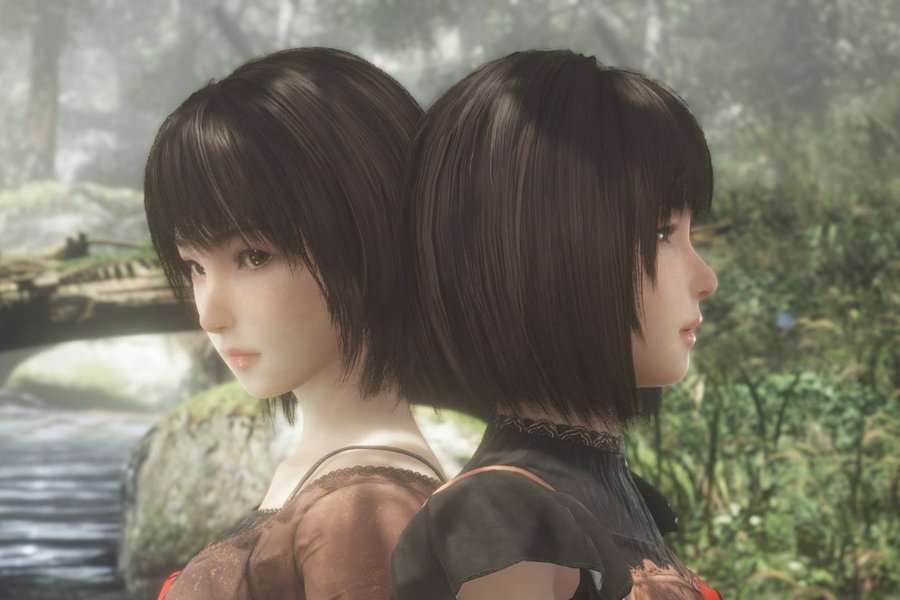
The story of Fatal Frame is simply perfect Japanese horror. While Western horror, as we mostly know it today, makes extensive use of violence and tries to make us jump, this game leans on Japanese folklore and an overall disturbing atmosphere. We often encounter angry ghosts (usually defined as yurei), spirits that carry a vengeful desire. Quite a few plot details come through flashbacks that present the village's past, but many additional details come from reading notes that can be found throughout the game. The only downside is that a large part of the story is found in collectible codex entries, so we're not always guaranteed the full context about the past and about different characters.
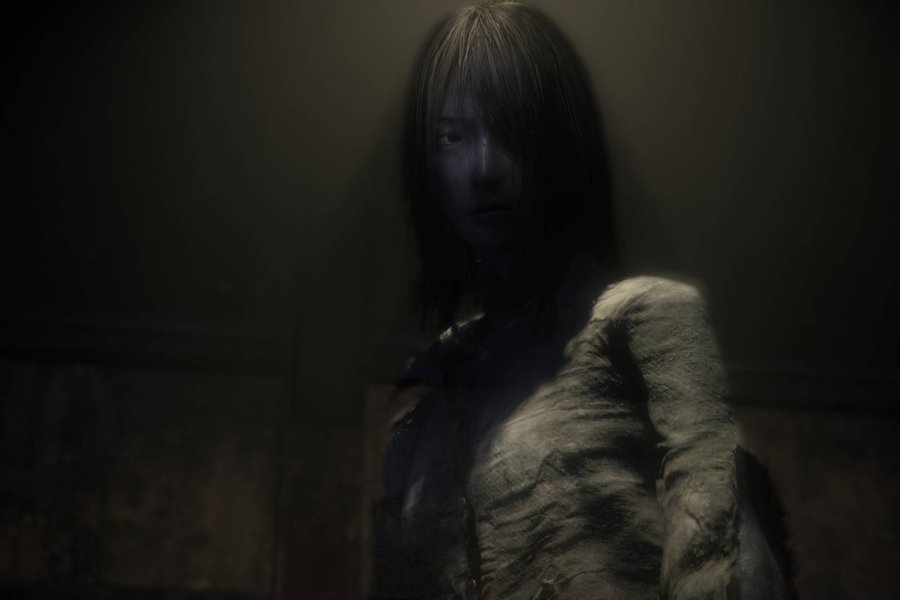
An addition that the remake brings with it is side quests - something that didn't exist in the original game. While they're not mandatory, they allow us to discover more about Minakami Village, alongside a new ending unique to the remake, so in total there are four different endings. The village itself has also expanded and there are more places to explore and search for new details. The side quests will allow us to learn both about the fate of the village and about certain characters within it and the tragic story of their deaths.
The Katana engine is a truly perfect engine when it comes to cinematic scenes and the use of photorealism, and it's especially felt here. The game's story takes the same story one-to-one from the original game, to the point that even the cinematic scenes are a very accurate recreation of the scenes from the game on the Playstation 2. From the perspective of story presentation, I think this remake is simply great, and for those who want to enjoy one of the beloved plots in the Japanese horror genre, they'll find something exceptionally enjoyable here that many of us probably didn't really get to enjoy in 1998 on the Playstation 2 or on the Wii in 2012.
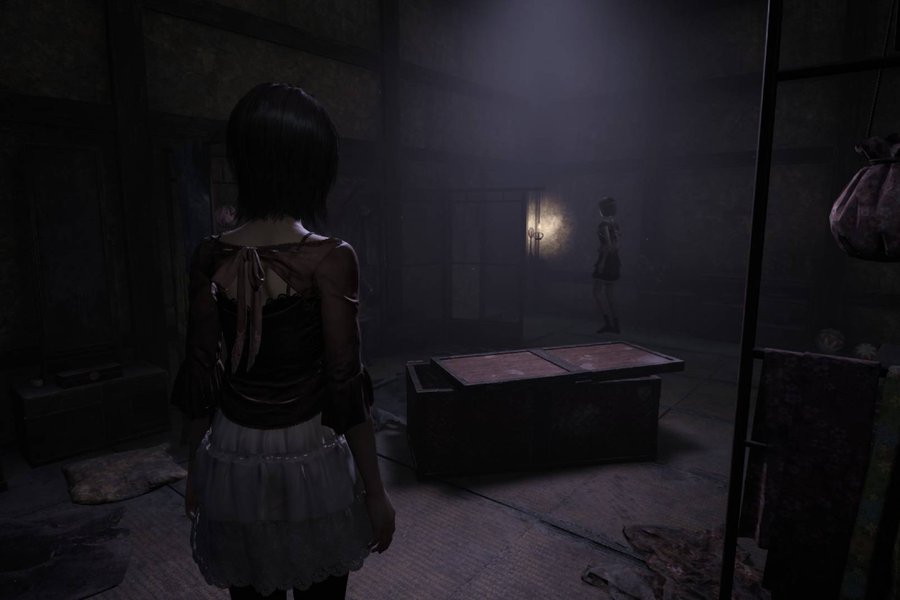
The voice acting work for this game is really well done, especially for the sisters (and of course I should mention I played with the Japanese voice acting). The twins sound great, they're very scared of the village and what's happening in it, but more than that, it's also worth noting that the sound design of this game is simply a work of art. While there isn't much to talk about regarding the game's soundtrack itself (aside from a few very excellent pieces within it), throughout most of the game we'll explore relatively quietly while we have to deal with its very heavy atmosphere as well, when around every corner something could happen and the sense of uncertainty is very strong throughout the game in almost every moment.
Artistic Photography
True to its name, the series focuses on one central mechanic related to the Camera Obscura - an ancient camera through which Mio can see the ghosts attacking her and her sister, and with which she can also fight them. The mechanic, on paper, is quite simple: the player fights ghosts by photographing them. The more the ghost takes up the frame and is in focus, the more damage will be dealt to it. So how do you spice up such a simple mechanic? This is where the slightly frustrating part of the game comes in.
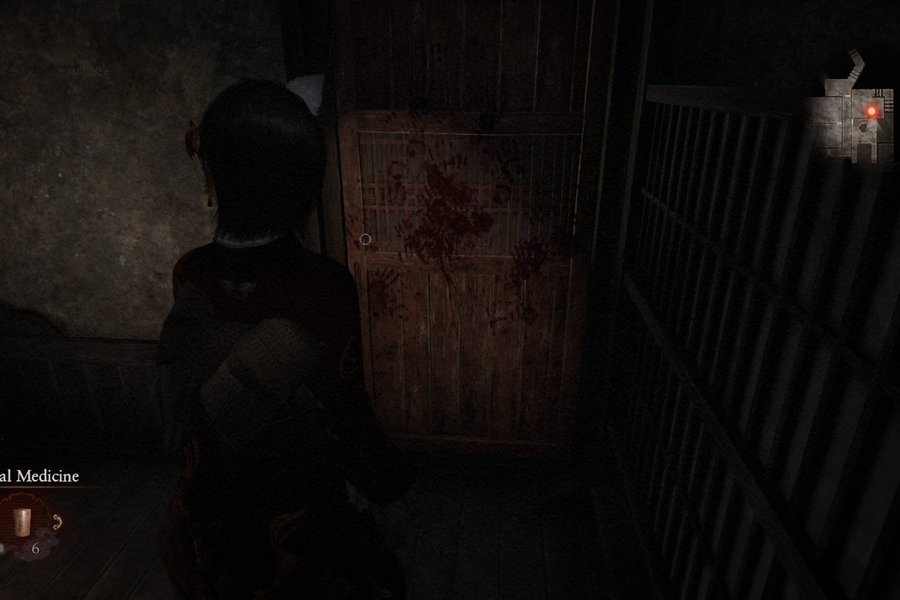
Throughout the game we'll unlock different filters for the camera that give it different effects, the filters change the way the camera functions, whether in charging between shot to shot and even how far the filters can work. If I'm already of course mentioning the charging of shots, our camera can make use of different types of film when each of them also has different effects and the amount of film we can take with us from each type varies, there are films that can charge faster than other films, films that can do much more damage and other various effects.
Where does the frustration start here? Well, unlike the Playstation 2 era, this is a different and more modern mechanic, and in the same breath, the way the player receives information about how the system works comes in the form of tutorial screens. The problem here? Many of these tutorials arrive not before a battle where the tutorial is relevant and could help the player defeat a certain ghost they encountered. The window, in a very mysterious way, appears right after the battle altogether. I found myself dealing with a ghost's effect that can drain my willpower, only for after a very long battle, I receive a window explaining to me what I should have done to make the battle simpler for me.
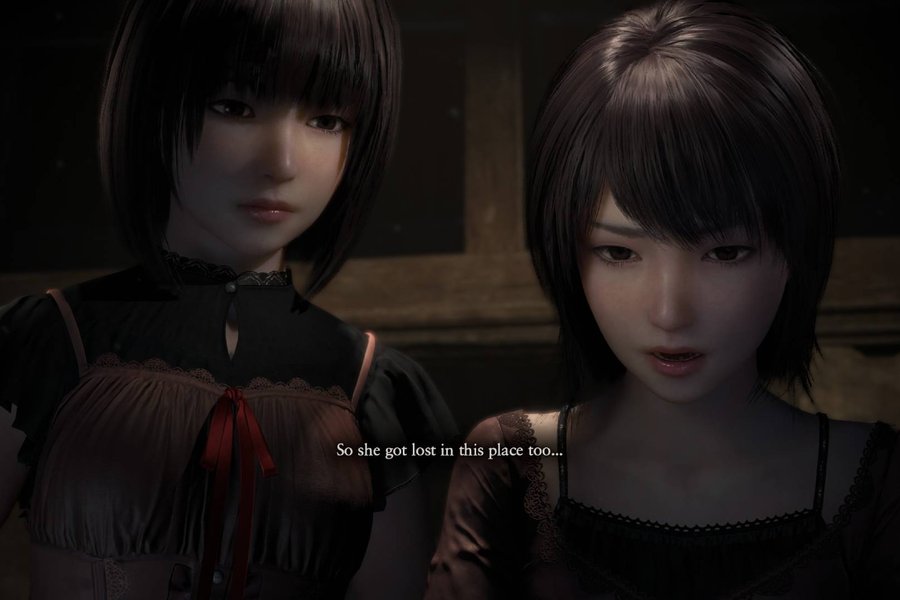
Of course, if I'm already mentioning Willpower, it's worth expanding. Mio has two meters: a Willpower meter (similar to an SP meter in role-playing games) and a regular health meter. The ghosts first attack the Willpower meter, and when it depletes, Mio falls to the floor and the ghost can strangle her - which causes a constant drop in health points until Mio manages to photograph the ghost and reset the meter. This meter is also used for dodging attacks and running during battle, and refills by photographing the ghosts. The fuller and more accurate the photo, the more willpower is gained.
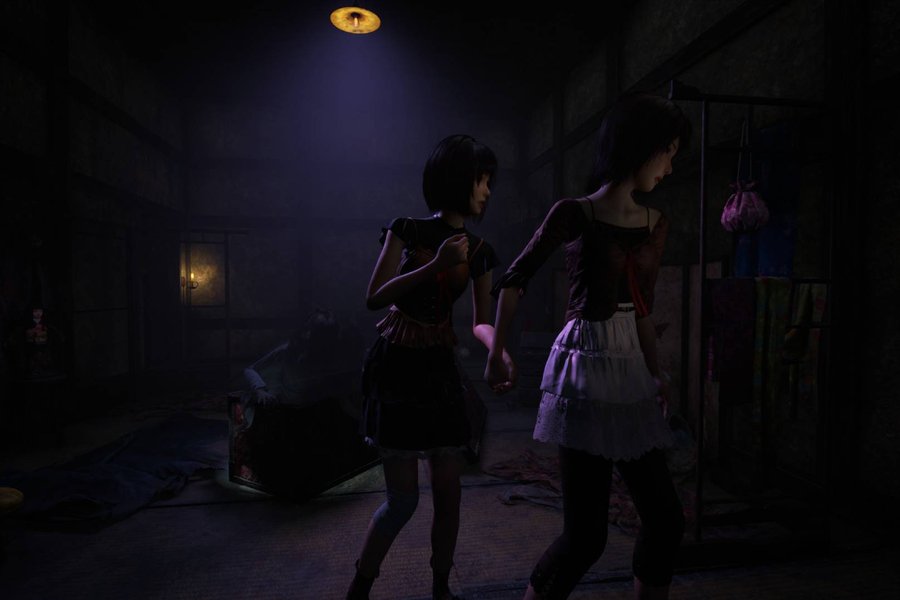
One important addition that's a historical correction for this game is the ability to hold Mayu's hand. I know this sounds a bit strange, but here's an interesting revelation: in the past, since it was a concept that was difficult to develop on the Playstation 2, this is a mechanic that didn't make it into the full game, which will restore Mio's willpower and also heal her health points at the same time. Mio can use different charms to set the speed at which this occurs, but you can also use charms that will improve other abilities like the effectiveness of certain filters on the camera and more.
Haunted House
While the combat system can be a bit frustrating and make me wonder if I'm even playing the game correctly sometimes, one thing is true for this game and that's that Team Ninja did nail the job when it comes to optimizing this game. On every device where I installed and tried the game with different hardware, the game simply runs perfectly. The game not only looks great, it also runs exceptionally well on a variety of different hardware, and that's really excellent.
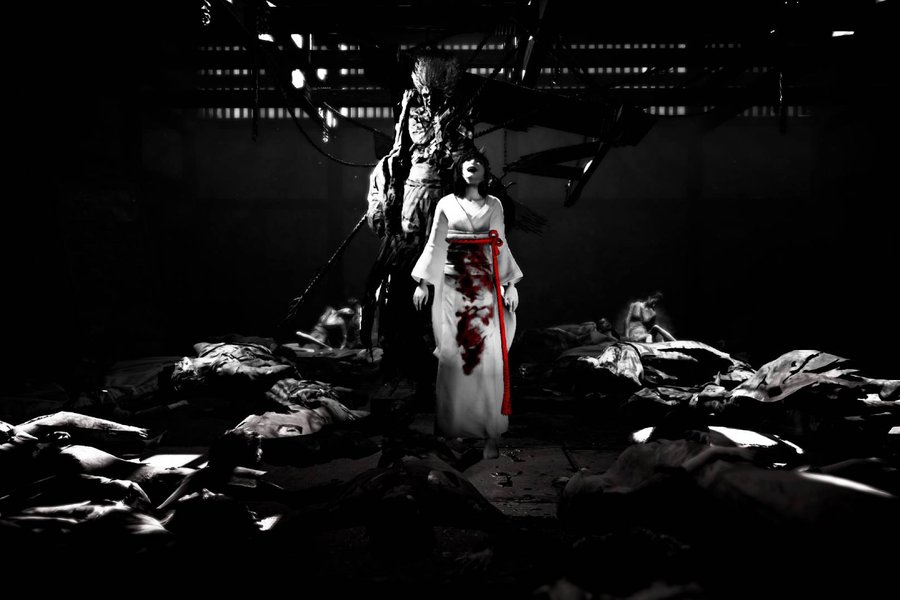
Generally, I think the developer deserves massive credit for the atmosphere. I don't think a game in the series has looked this good, and when I say good, I really mean it looks terrifying (and beautiful at the same time). There isn't a single smooth corner of true calm in it, every corner is tense in its own right. Minakami Village comes to life (literally) in the best way we could probably hope for, and the design of the characters (some of which were also updated) simply looks excellent. The different ghosts and characters chasing Mio and Mayu simply look excellent. I think I'll have a hard time forgetting the updated face of Sae Kurosawa smiling and laughing non-stop like a madwoman as she threatens Mio with Kusabi, the ghost in her service.
Overall, the developer deserves enormous credit for the atmosphere. I don't think a game in the series has looked this good, and when I say "good," I mean it looks terrifying and beautiful simultaneously. There isn't a single smooth corner of true calm in it, every corner is tense in its own right. Minakami Village comes to life in the best way we could hope for, and the design of the characters, some of which were also updated, simply looks excellent. The different ghosts look great, and I think I'll have a hard time forgetting the updated face of Sae Kurosawa smiling and laughing non-stop like a madwoman as she threatens Mio with Kusabi, the ghost in her service.
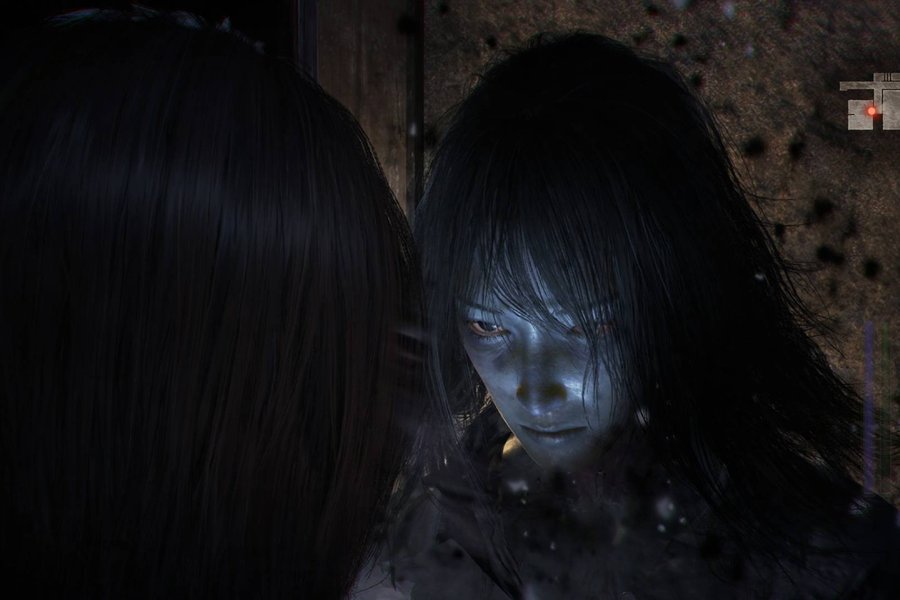
It's also worth talking about the sound design of this game because it accompanies our every step in this game, and while at least in the early parts there isn't much to talk about regarding the game's soundtrack itself, the sound design is really well done. Throughout the entire game, every interaction we have with the environment is accompanied by some kind of sound. Every time we come to pick something up from the floor, the camera together with the sound play a central part and leave us on the edge of our seats - will a ghost attack us? When we also open doors, exactly that same sense of horror is transmitted to us when we can also cancel certain actions because the game leaves us with tension and uncertainty about our safety if we complete the action, and I think this is something excellent that this game builds on and that's the player's sense of insecurity in their actions and the sound builds that feeling.
The Bottom Line
I have no shadow of a doubt, Fatal Frame was a forgotten series for a very long time by Koei Tecmo and with the return of the remasters in 2021, it seems the appetite opened up and the remake of the immortal classic, Crimson Butterfly, was just waiting to arrive and it looks better than it has ever looked. At the same time, as beautiful as the game's world looks, it's not without problems and I'm afraid to say that this game's combat system may frustrate quite a few people with tutorials that sometimes arrive very inconveniently already after their relevance has even passed. But if you're looking for atmosphere and classic Japanese horror like you probably haven't seen in a long time with a pretty crazy story, you've arrived at the right game for you.